
Homeowner Tips6 min read
Does a Repipe Increase Your Orlando Home's Value and Insurability?
A repipe is often more about risk removal than renovation ROI. Learn how a documented repipe affects insurance, disclosure, and buyer confidence in Orlando.

A repipe is often more about risk removal than renovation ROI. Learn how a documented repipe affects insurance, disclosure, and buyer confidence in Orlando.
Homeowners considering a repipe often ask the same question a kitchen or bathroom remodel would prompt: will this increase my home's value? It is a reasonable question, but it frames the decision the wrong way. A repipe is not primarily a value-add renovation like a countertop upgrade. It is closer to removing a known liability from the property, one that increasingly shows up as friction in both insurance underwriting and real estate transactions across Florida.
Understanding that distinction helps homeowners evaluate a repipe based on what it actually accomplishes.
Florida's insurance market has tightened significantly in recent years, and underwriters have become more specific about the plumbing risks they will and will not accept.
A documented repipe with permits and a modern material like PEX or copper removes this specific flag from an underwriting conversation.
Florida sellers are required to disclose known material defects, and a home's plumbing history often falls into that category.
Unlike a kitchen remodel, a repipe usually will not show up as a specific dollar-for-dollar line item on an appraisal.
In a market where polybutylene and aging pipe are well-known risks, a documented repipe has become a meaningful selling point rather than a neutral fact.
It has become increasingly common for a Florida real estate deal to hit a snag once an inspection or insurance quote reveals polybutylene or heavily corroded galvanized pipe.
The most accurate way to think about a repipe's financial effect is as insurance against three specific problems: an insurance complication, a disclosure liability, and a stalled or renegotiated sale.
If your home has documented polybutylene or galvanized pipe, the question is less about whether a repipe adds resale value in the traditional sense, and more about whether you want to manage that risk on your own terms now, or have it surface unexpectedly during an insurance renewal or a future sale. A clear assessment of your home's current pipe material and condition is the starting point for making that decision with real information rather than guesswork.
Which fixture or area is affected.
When the issue started and whether it is getting worse.
Whether water is actively leaking or backing up.
Any photos, notices, or symptoms that help explain the problem.
Article FAQ
Short answers for Orlando homeowners deciding whether to keep reading, call now, or request service.
Not usually as a direct line item, but it can improve the appraiser's overall condition assessment and reduce deferred maintenance concerns.
Known material defects generally must be disclosed under Florida law, and polybutylene pipe typically falls into that category.
Some Florida carriers ask about pipe material during underwriting and may adjust terms or coverage based on the answer.
Increasingly, yes, especially for homes built before the mid-1990s, since polybutylene and galvanized pipe are well-known regional issues.
For homes with known polybutylene or galvanized pipe, addressing it proactively often prevents late-stage negotiation problems during a sale.
More homeowner resources
 Homeowner Tips
Repipe quotes in Orlando vary widely because of what they do and do not include. Here is a breakdown of the actual cost drivers, from fixture count to drywall finish.
Read article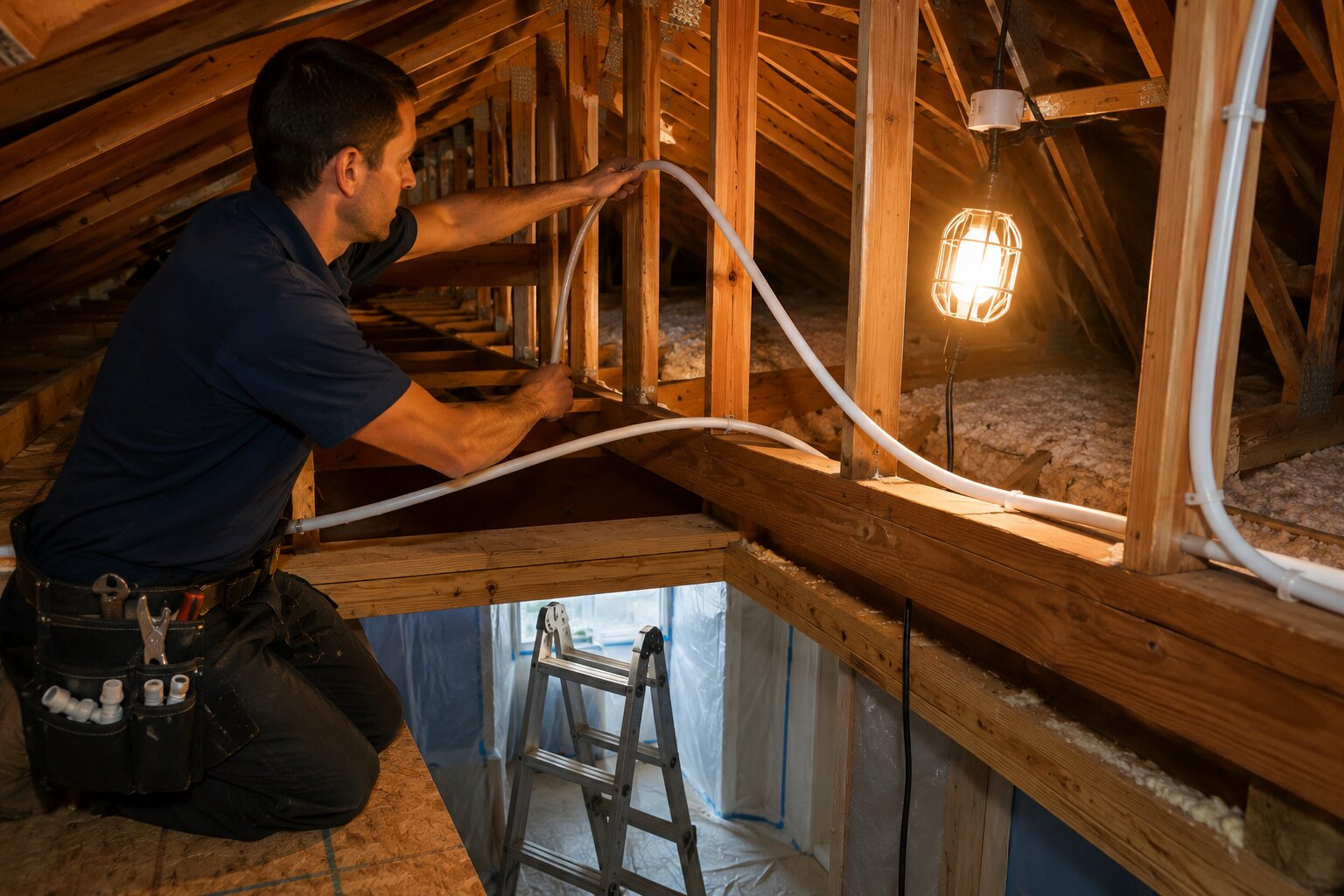 Homeowner Tips
Considering a polybutylene repipe in your Orlando home? Learn what drives the cost, how long the project takes, and what each day of the process actually looks like.
Read article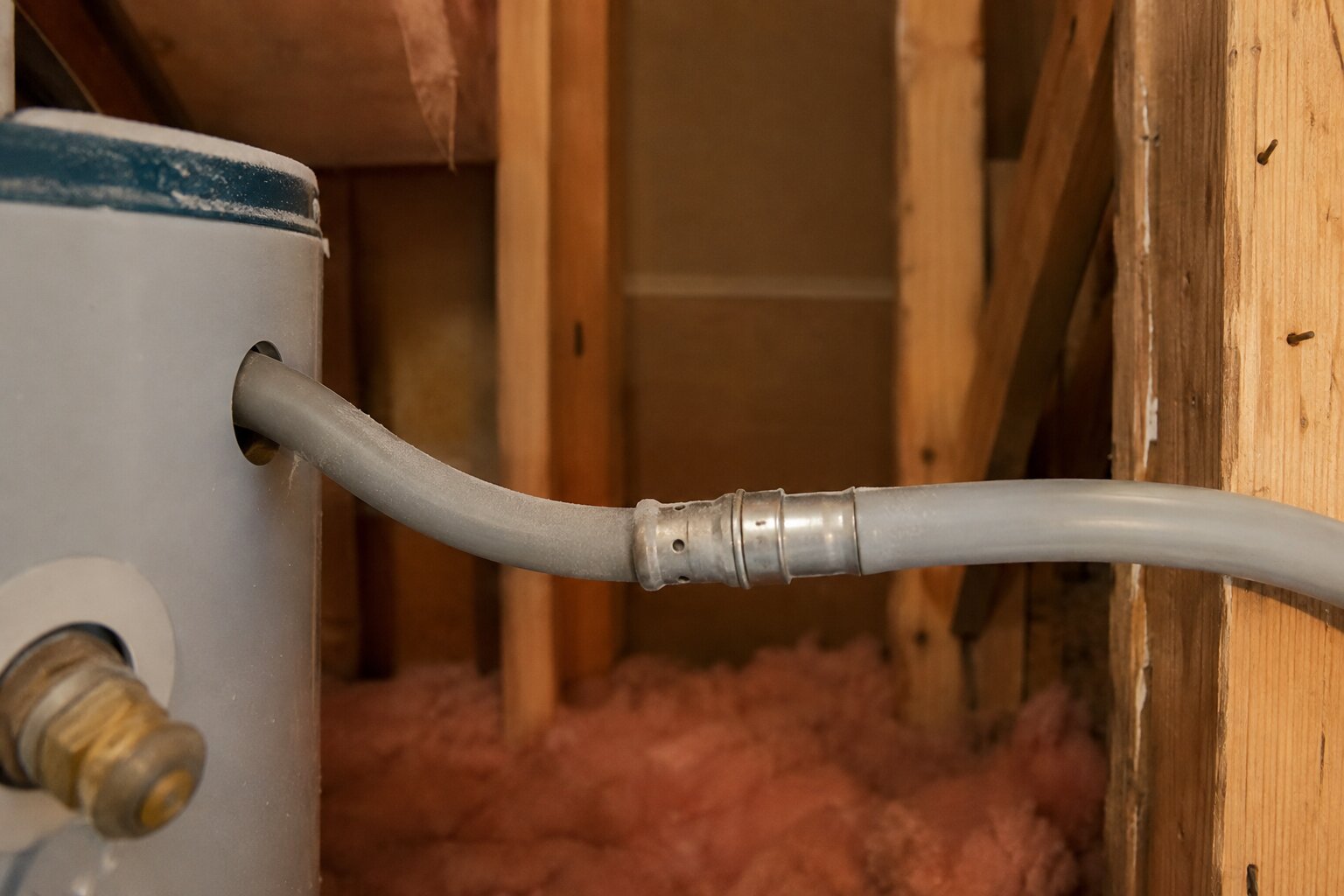 Homeowner Tips
Homes built roughly between 1978 and 1995 may still have polybutylene plumbing. Learn how to identify gray, blue, or black poly pipe in your Orlando home before it fails.
Read articleService next steps
Service
Fast help for burst pipes, stoppages, active leaks, and urgent plumbing problems that cannot wait.
View serviceService
Professional drain cleaning, clog removal, sewer line support, root intrusion checks, and camera inspection guidance.
View serviceService
Repair and replacement guidance for leaking water heaters, poor hot water, and aging units.
View serviceNeed plumbing help now?
Call Pete’s Plumbing Inc for clear next steps from a local Orlando plumbing team.
Fast response. Clear pricing. Local Orlando team.