Deciding to repipe a home with polybutylene plumbing is a significant decision, and most homeowners want a clear picture of what the process actually involves before committing to it. Once the decision is made, the uncertainty tends to center on two questions: what will it cost, and what does daily life look like during the project.
Here is a straightforward look at both, along with what typically happens over the course of a repipe week.
What a Repipe Actually Involves
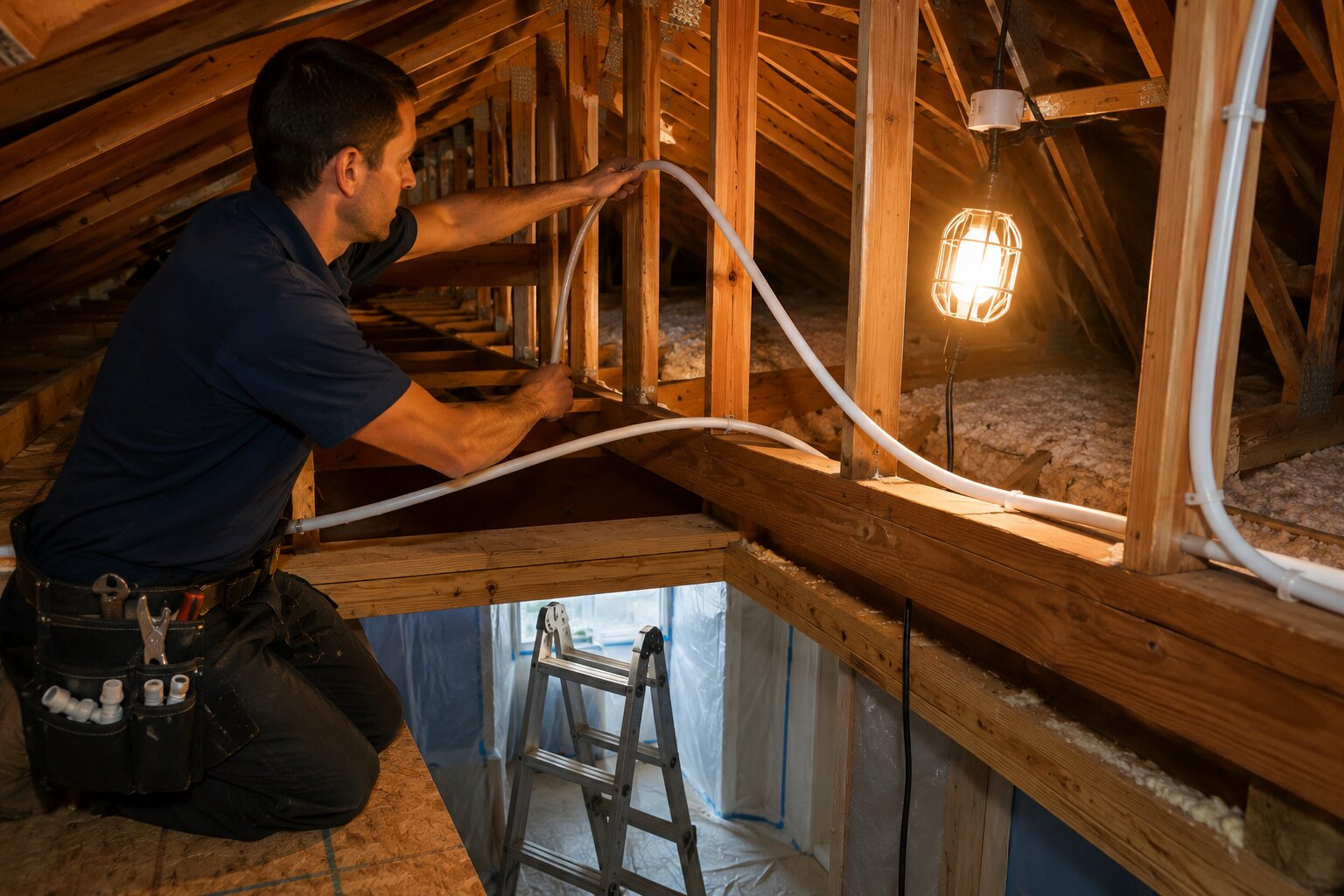
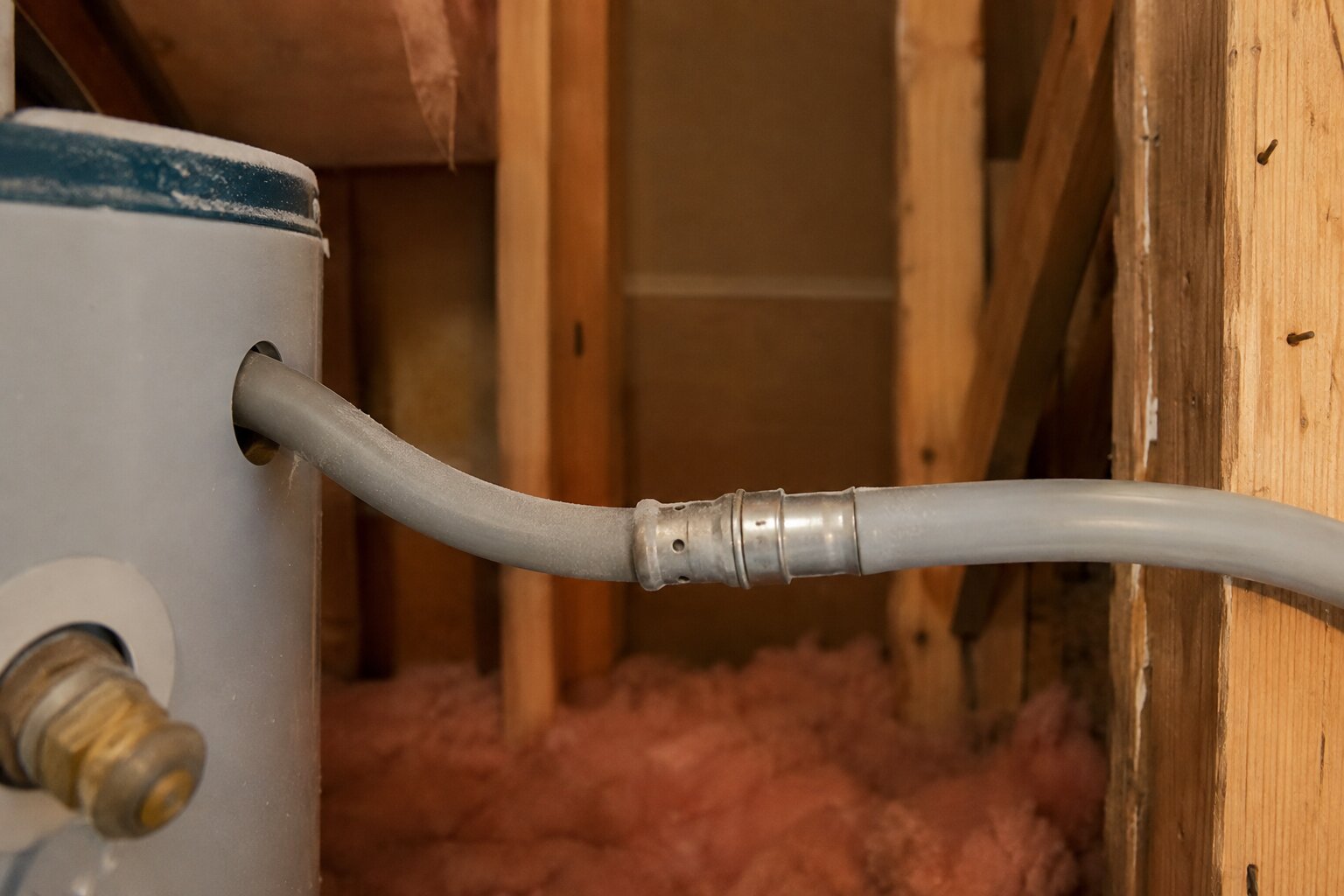
A repipe replaces your home's aging polybutylene water supply lines with modern PEX piping, routed through the attic, walls, or a combination of both depending on your home's construction.
- PEX is flexible, resistant to the chemical degradation that affects polybutylene, and has become the standard replacement material for residential repipes.
- The project targets water supply lines specifically, not drain lines, so most of the work centers on running new lines to every fixture that currently depends on the old polybutylene piping.
- The scope typically includes cutting small access points in drywall, running new PEX lines, connecting them to fixtures, pressure testing the system, and patching the openings afterward.
What Drives the Cost of a Repipe
Repipe pricing varies more than most single-fixture repairs because it depends heavily on your home's specific layout and construction.
- Bathroom count is one of the biggest cost factors, since each additional bathroom adds more fixtures, more supply lines, and more access points.
- The number of stories matters significantly. A single-story home with attic access above every room is generally more straightforward than a two-story home where lines must be routed through walls and floor systems.
- Slab versus attic routing changes both the approach and the cost. Homes where lines can be run primarily through an accessible attic tend to involve less wall cutting than homes requiring more extensive wall routing.
- The number and type of fixtures, including water heaters, ice makers, and outdoor hose bibs, all factor into the total scope.
- Drywall patch and texture-matching complexity can affect cost as well, particularly in homes with textured ceilings or specialty wall finishes.
Because of these variables, an accurate price requires a plumber to walk the specific home rather than relying on a generic per-square-foot estimate.
How Long a Repipe Typically Takes
Most whole-home repipes are completed within about three to five working days, though the exact timeline depends on the same factors that affect cost.
- Smaller, single-story homes with good attic access on the lower end of that range.
- Larger homes, multiple stories, or homes requiring more wall access tend toward the higher end.
- Unexpected findings, such as additional deteriorated sections discovered mid-project, can extend the timeline, though an experienced crew accounts for this possibility during planning.
What Each Day of the Project Typically Looks Like
Day One: Protection and Prep
The crew protects flooring, furniture, and walkways throughout the work areas before any cutting begins. Access points are mapped out based on the home's layout, and initial line runs typically begin the same day.
Days Two and Three: Running New Lines
This is typically the most active phase, with new PEX lines run through the attic and down through walls to reach each fixture. Cut-in points are made at planned locations to connect new lines to existing fixture locations.
Pressure Testing
Before any fixture is finalized, the new plumbing system is pressure tested to confirm every connection holds properly and there are no leaks anywhere in the new lines.
Inspection
Most municipalities, including Orlando and surrounding Orange County areas, require a permit and inspection for a whole-home repipe. This step confirms the work meets code before the walls are closed up.
Final Days: Drywall Patch and Texture
Once the system passes inspection, the access openings are patched, and texture is matched to blend with the surrounding wall or ceiling as closely as possible. Painting is typically the homeowner's responsibility afterward, since paint color and finish vary by home.
Staying in Your Home During the Project
One of the most common concerns homeowners have is whether they need to leave the home during a repipe, and in most cases, the answer is no.
- Water is typically restored to the home each evening, even while work is ongoing, so families are not left without water overnight.
- Work is generally contained to specific rooms and access points at a time, allowing the rest of the home to remain functional throughout the project.
- Your plumbing crew should clearly communicate which fixtures will be temporarily unavailable each day so you can plan around it.
Planning Your Orlando Repipe
A polybutylene repipe is a bigger project than a typical plumbing repair, but a well-run crew keeps the disruption manageable and restores water access every evening throughout the process. If you are weighing whether it is time to repipe your home, a licensed plumber can walk your property, explain what your specific layout would involve, and provide a clear cost and timeline before any work begins.