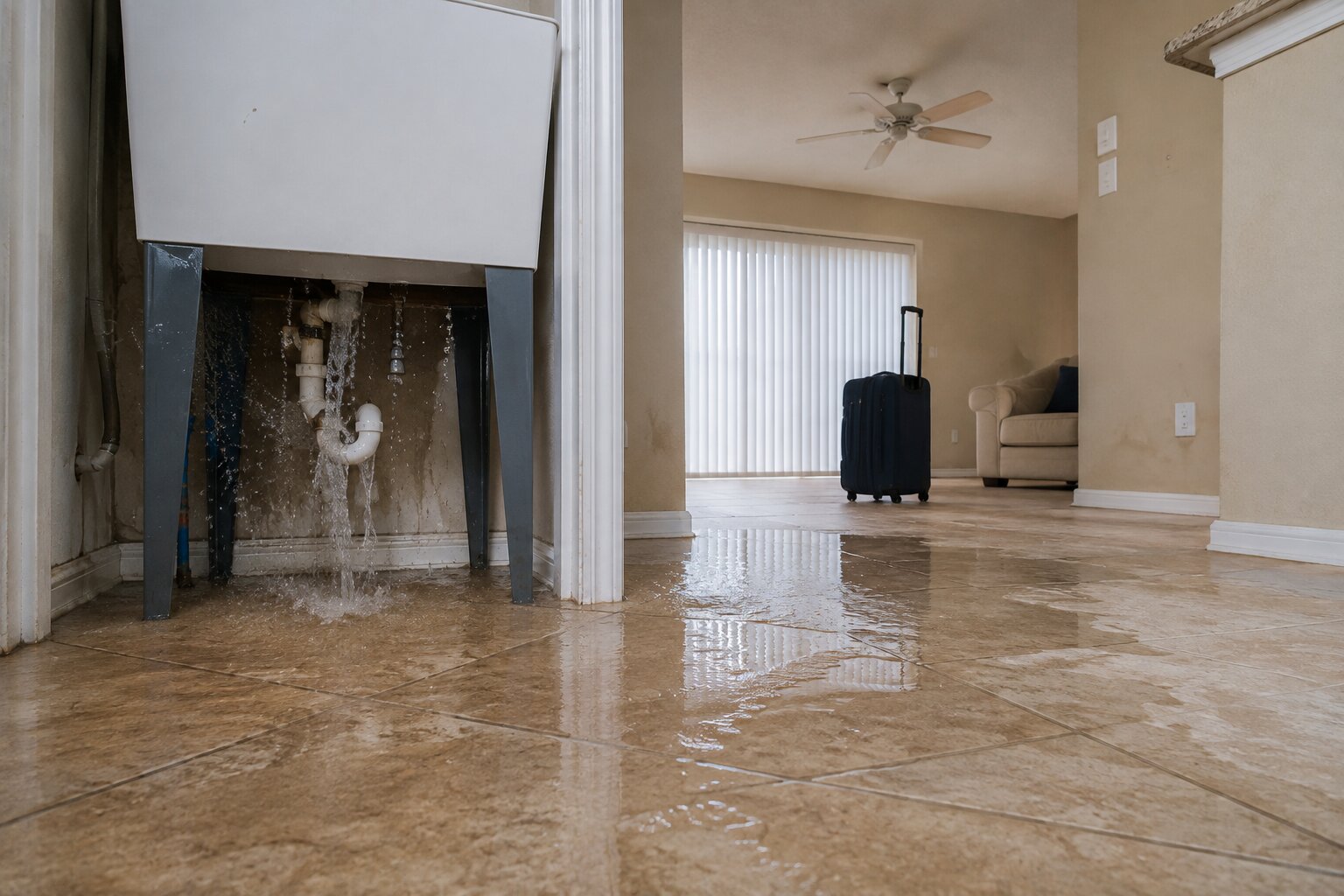
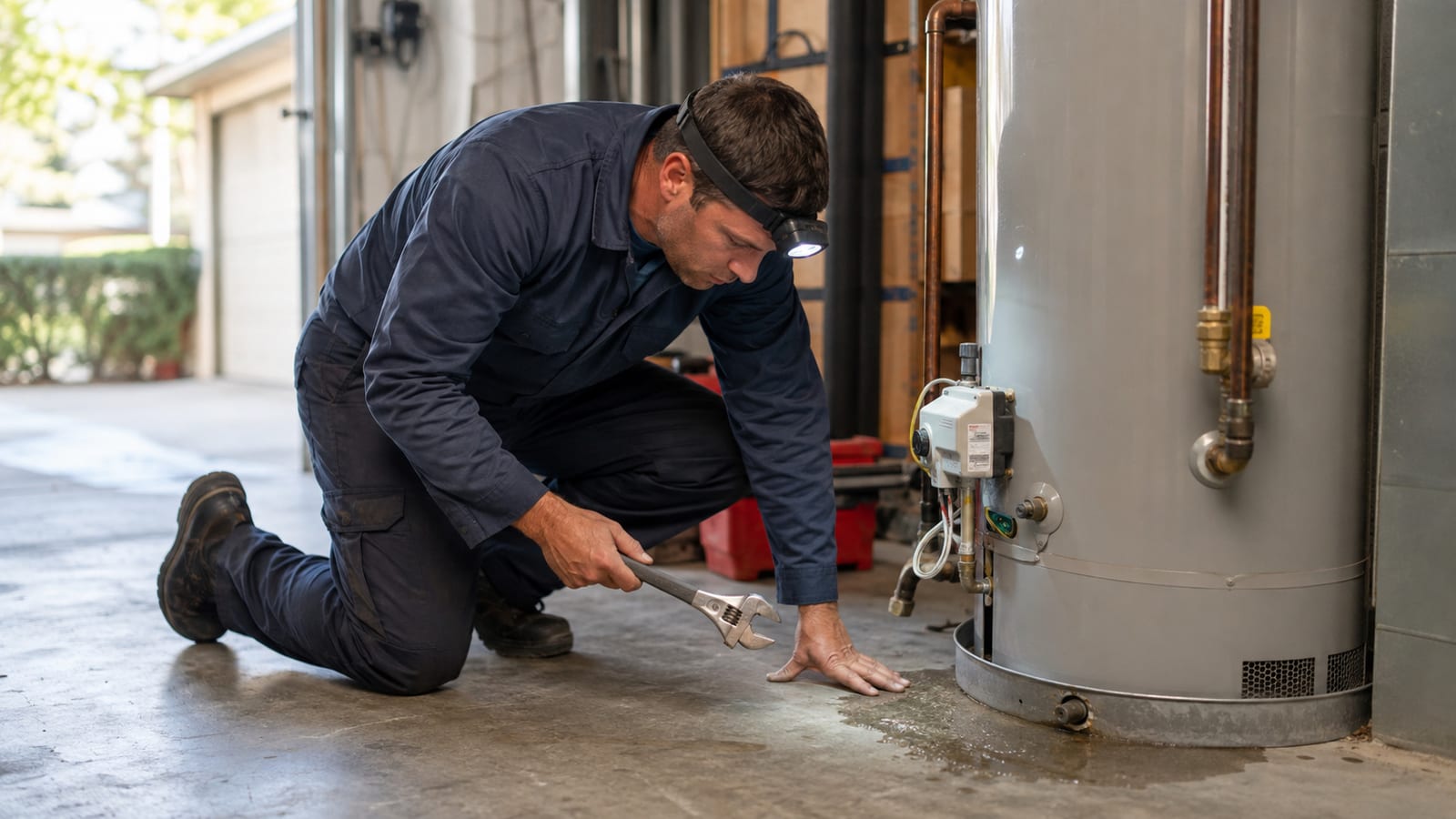
A whole-house repipe is one of the plumbing projects most likely to get skipped when it comes to permitting, usually because homeowners assume it is a simple swap of old pipe for new pipe. In reality, a repipe changes the water distribution system throughout the home, and both Orange County and the City of Orlando require a stand-alone plumbing permit for the work, along with inspection before it is considered complete.
Understanding how that process works helps homeowners set realistic expectations and avoid a problem that tends to resurface at the worst possible time.
Why a Repipe Requires Its Own Permit
Unlike a single fixture repair, a repipe affects the water supply system throughout the home, which is exactly the kind of work local building codes are designed to verify.
- The permit confirms that the materials used, typically PEX or copper, meet current code requirements.
- It documents pipe sizing, which affects pressure and flow throughout the home.
- It creates an official record tied to the property, which matters far beyond the immediate project.
The Fast Track Permit Process
Orange County offers a Fast Track permitting option specifically designed for common residential plumbing projects like repipes and water heater change-outs, which streamlines what can otherwise be a slower general permitting process.
- Fast Track permits are intended for straightforward, well-defined scopes of work rather than complex new construction.
- This process typically allows a licensed contractor to pull the permit and schedule inspection more quickly than a standard commercial-style review.
- The City of Orlando has its own permitting process for properties within city limits, and a licensed plumber should confirm which jurisdiction applies to your specific address.
What an Inspector Actually Checks
A repipe inspection is not a formality. An inspector is looking for specific things that affect both immediate safety and long-term performance.
- Proper pipe support and securing, since inadequately supported pipe can sag, stress joints, and lead to premature failure.
- Correct pipe sizing and material for the application, including appropriate transitions where new pipe meets any remaining original plumbing.
- Freeze protection and insulation where relevant, along with proper clearance from other systems like electrical and HVAC.
- Confirmation that work matches what was described on the permit application, including scope and location.
Rough-In vs. Final Inspection
Most repipe projects involve more than one inspection point, depending on how the work is staged.
- A rough-in inspection typically happens after new pipe is run but before walls or access points are closed up, allowing the inspector to see the actual installation.
- A final inspection confirms the completed system is functioning correctly and that any opened areas have been properly closed.
- Skipping or failing to schedule either step leaves the project technically incomplete in county or city records, even if the work itself was done well.
Why Unpermitted Repipe Work Resurfaces Later
The consequences of skipping permits on a repipe rarely show up immediately. They tend to surface years later, at the worst possible moments.
- During a home sale, a buyer's inspector or a permit history pull can reveal plumbing work with no corresponding permit on file.
- Some insurance carriers ask directly about permitted status when underwriting a policy, particularly after a repipe or major plumbing repair.
- If an unpermitted repipe later causes damage, some insurance policies treat unpermitted work differently when evaluating a claim.
- Correcting the situation after the fact, sometimes called a retroactive or after-the-fact permit, can require opening up finished walls again for inspection, which is far more disruptive and expensive than getting it right the first time.
What Homeowners Should Confirm Before Work Begins
- Ask your plumber directly whether a permit will be pulled for your repipe, and in which jurisdiction.
- Ask how rough-in and final inspections will be scheduled relative to the project timeline.
- Request a copy of the permit and, once available, documentation that the final inspection passed.
Permitting Protects the Investment, Not Just the Process
A permitted, inspected repipe is not just a bureaucratic checkbox. It is documentation that the work meets current code, performed by a licensed contractor, verified by an independent inspector. That record protects the value of the investment at resale, supports insurance underwriting, and gives homeowners confidence that the system behind their walls was actually built the way it was supposed to be.