
Water Heaters6 min read
Gas Smell Near Your Water Heater or Range: Immediate Safety Steps
A gas smell near a water heater or range is a safety emergency, not a plumbing repair to attempt yourself. Learn the exact steps to take and who to call first.
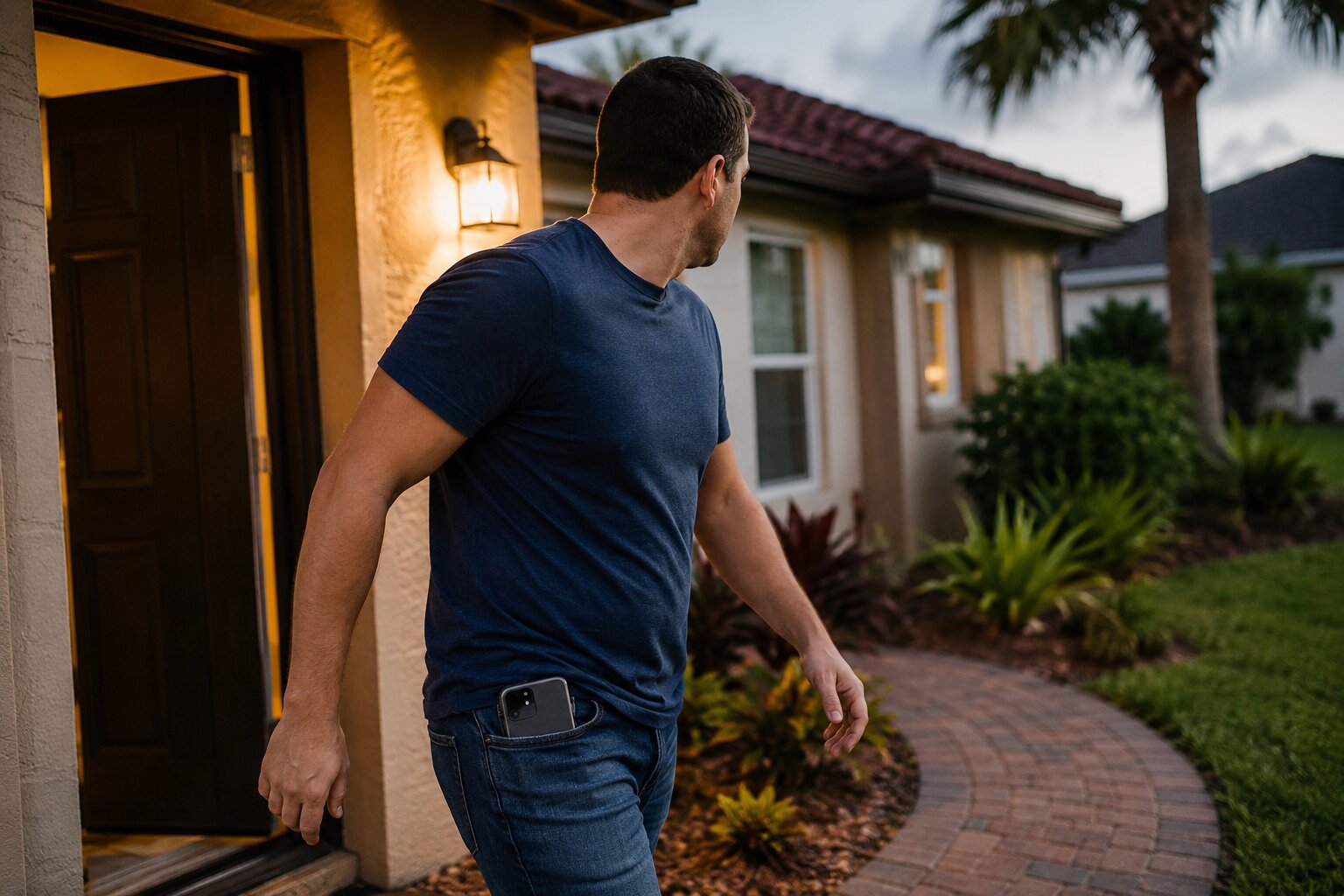
A gas smell near a water heater or range is a safety emergency, not a plumbing repair to attempt yourself. Learn the exact steps to take and who to call first.
A gas smell near your water heater or range is one of the few plumbing-adjacent situations where the correct first response has nothing to do with plumbing at all. It is a safety event, and the sequence you follow in the first few minutes matters more than anything else.
Most homeowners have never been told exactly what to do, or who to call first. Here is the correct order of steps, along with an explanation of why the gas utility and a licensed plumber each play a different role in resolving the problem.
If you smell gas near a water heater, range, or anywhere else in your home, the first step is to get everyone out.
Natural gas is highly flammable, and a small spark is enough to ignite it in an enclosed space.
Once everyone is safely away from the home, call your natural gas utility's emergency line from outside, not from inside the house.
Once the gas utility has confirmed the home is safe and identified whether the leak is on the utility side or inside your home's own gas piping and appliances, a licensed plumber becomes the right call for the next step.
This split between the gas utility and a plumber is one of the more confusing parts of a gas emergency, since most homeowners assume one call handles everything.
A plumber can identify which of these applies once the area has been confirmed safe, and can complete the repair along with any necessary re-lighting and testing.
A gas smell near a water heater or range should never be treated casually or investigated on your own. Leave the home, call your gas utility from a safe distance, and bring in a licensed plumber once the utility confirms it is safe to address the underlying repair. Knowing this sequence ahead of time removes the guesswork during a moment when clear thinking matters most.
Which fixture or area is affected.
When the issue started and whether it is getting worse.
Whether water is actively leaking or backing up.
Any photos, notices, or symptoms that help explain the problem.
More homeowner resources
 Water Heaters
A repipe requires a stand-alone plumbing permit in Orange County and the City of Orlando. Here is what the process involves, what inspectors check, and why skipping it is a risk.
Read article Water Heaters
A burst pipe in an empty Florida home can run for weeks before anyone notices. Here is how snowbirds and second-home owners can prepare, prevent, and respond.
Read article Water Heaters
Not every water heater leak means the same thing. Learn to tell the difference between a dripping T&P valve, a weeping drain valve, a loose fitting, and a ruptured tank, plus safe shutdown steps.
Read articleService next steps
Service
Repair and replacement guidance for leaking water heaters, poor hot water, and aging units.
View serviceService
Fast help for burst pipes, stoppages, active leaks, and urgent plumbing problems that cannot wait.
View serviceService
Reliable repairs for toilets, faucets, sinks, garbage disposals, pipe leaks, and everyday plumbing problems.
View serviceNeed plumbing help now?
Call Pete’s Plumbing Inc for clear next steps from a local Orlando plumbing team.
Fast response. Clear pricing. Local Orlando team.